Showing posts with label travel. Show all posts
It is not really a difficult trek : Someone who has attempted a few high altitude treks in Indian Himalayas can attempt the Everest Base Camp trek. Goes without saying that you need to be fit to scale the ascends and descends but it does not necessarily require an extremely hard training schedule. Scaling a height 18500 ft (5640 Meters) is obviously not going to be easy but it is a gradual ascend through multiple villages offering comfortable stays.
Home Stays instead of Camping : Almost all the treks in Nepal offer an organized and comfortable stay option. Overnight stays at Phakding, Namche, Tengboche, Dengboche, Lobuche and Gorakshep have home stays with beds, common (but clean) washrooms, multi cuisine restaurants and hot shower facility. Charging electronics comes with an additional cost but the good part is that it is available.
Phone coverage while on the trek : Buying two SIM Cards from Kathmandu (Thamel) provides you a complete coverage (well, almost) in the entire Khumbu region. Service providers NCell and Namaste Telecom (NTC) are the two preferred service providers and absolutely strong signals throughout the trek. You can also buy an Internet pack with it and Whatsapp and other social media tools are sorted.
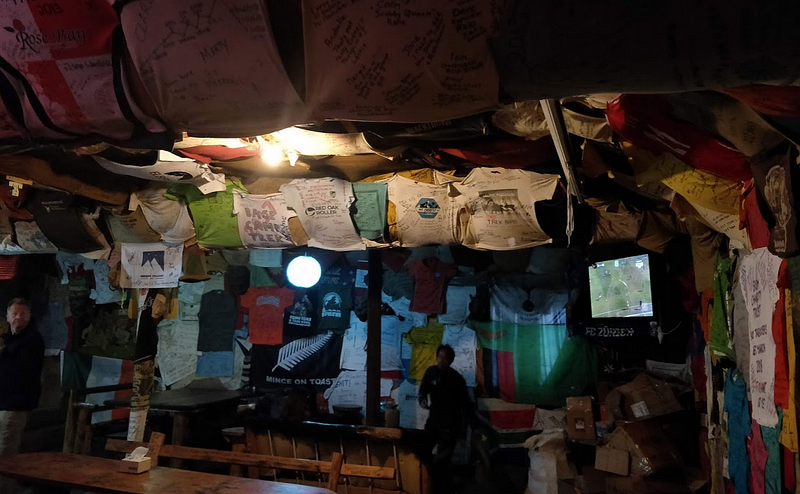
Meeting trekkers from around the world : Meeting travellers from around the world just adds to the fun. Sharing experiences over dinner adds to your learning and helps you understand the challenges and thrill of other slopes around the world.
Thin air challenge : Trekkers who have trekked in Ladakh, India will understand the challenge of thin air. Although, it is important to acclimatize well before (and during) the trek but the trek is not as challenging as treks in Ladakh.
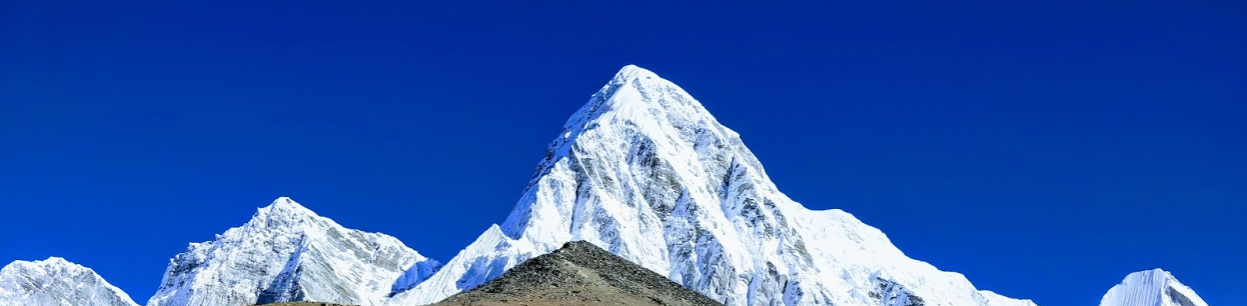
Witnessing eight thousanders : It is difficult to explain in words how it feels to witness the mighty Mt. Everest (8848 Mtr/29028 ft). Having said that, there are other mighty peaks that one witnesses on this trek. Mt Lhotse (8516 Mtr/27939 ft), Mt Makalu (8470 Mtr/27788 ft) and Mt Cho Oyu (8201 Mtr/26906 ft) are other 8000 Meters+ peaks that one experiences on the Everest base camp trek.
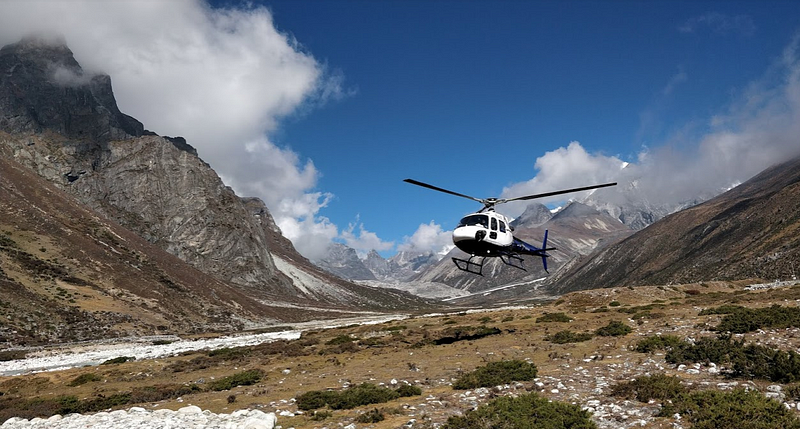
Chopper Services : Almost all the treks in Nepal have a very well organized rescue as well as chartered chopper services available. In case of any emergency, the chopper is available to lift you up even from Gorakshep. It is a cashless process (using the insurance) and you are in Kathmandu within 45–60 minutes.
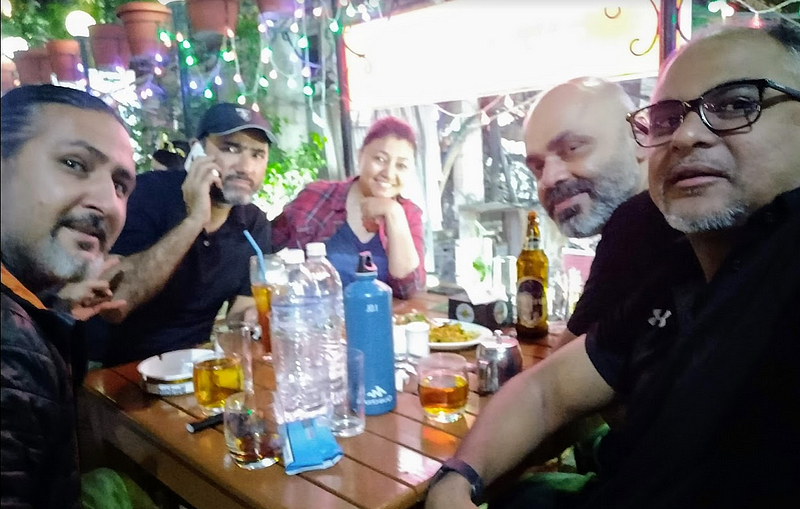
Celebrating successful attempt : Thamel offers a great variety of muti cuisine restaurants, pubs and clubs. From wood fired pizzas to live rock shows everything is a just a few steps away. Travellers from around the world make it a great town to be in.
Season for the trek : Although the Everest Base Camp trek can practically be done throughout the year, the best time to attempt is March, April, May and September, October, November and December.
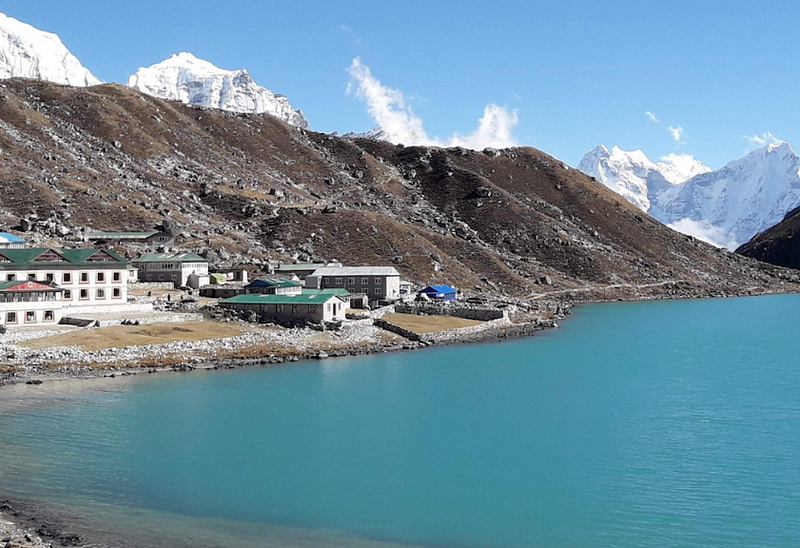
Attempting EBC via Gokyo Ri : Attempting Everest Base Camp trek via Gokyo Ri is an alternate, extremely beautiful and slightly more challenging option. Taking a different route from Namche Bazar via Dole through Gokyo village/Lakes, Chola Pass and connecting back to the EBC trail at Lobuche.
If you are bored with the usual stories of bike rides to Leh, have been to some treks already and now want something a little adventurous, its time you attempted Stok Kangri Summit Trek. It is one of those summit climbs that all budding mountaineers start their 6000+ meters climbing journey with. At 6153 meters, this non-technical climb is adventurous and scenic at the same time. You will get snow in the last leg of the journey before the summit otherwise the trek is dry.
Where: Leh, Ladakh, Jammu & Kashmir, India
Level: Difficult Level Trek
Height: 6153 Meters
Best time to attempt: Summer season. From June to September. While there have been successful summits in winter too, but it is only for experienced climbers to attempt in those harsh conditions.
Days Required: 9 Days minimum (2 days of acclimatization in Leh and 7 days of trek including one extra day at base camp)
Best ways to attempt: Hire an agency that does this for a living. While many will attempt this solo or along with some friends, please remember that this trek is in the Himalayas and is about 5500 meters. At that height, the dangers of changing weather, falling sick due to AMS etc can make any situation into a life-threatening situation. Only experienced and trained staff would be able to make the right choices in these situations and save a life!
Which agency to hire: Do a thorough check on their credentials, their experience. No honest agency would have issues is answering questions like — How experienced is the guide? How big the groups are? Any group size over 10–12 trekkers is a strict no. Is the guide trained in emergency medical response? What is the rescue plan in case of emergency? Porter to trekker ratio? What kind of food would be available? Types of tents / equipment that will be used? Every groups of 10–12 trekkers must have — One experienced Guide + one Trek Leader + 1:1 Ratio of porter and trekker.
Route:
Day 1 and 2 — Arrive in Leh (Stay in hotel, do not strain yourself at all)
Day 3 — Drive to Stok Village and trek to ChangMa
Day 4 — Trek from ChangMa to Manskarmo.
Day 5 — Trek from Manskarmo to Base Camp.
Day 6 — Base Camp to Advance Base Camp and back to Base camp.
Day 7 — Base Camp to Summit and back to Manskarmo.
Day 8 — Manskarmo to Stok Village. Drive to Leh
Day 9 — Back to home.
Overall the trek is aprox. 20 kms from Stok Village to summit and you do it in 4 days. An average of 5 Km every day. Many of you must have done longer treks in a day before this however due to the altitude gain, this is a different game altogether. Though non-technical, it is a difficult trek. The ascent up to the ridge and subsequently to the top of the summit is challenging and demands a strong fitness level. After you complete your trek every day, post some refreshments and rest you must always go for the acclimatization walk to the surrounding hills. As you climb up to the hills, the lungs will work 3 times faster to get the oxygen it requires to sustain. Once you are at the top, rest for a while and then come back. When you are coming back, the lungs keep working the same manner and because you are coming down, oxygen levels will be better. This will make you feel better and refreshed. This is something that must be done everyday to better acclimatize.
Points to Remember:
1) Hire and experienced Trekking Agency post checking credentials.
2) Plan your trip in a manner that you have a day or two as back up in case the weather goes bad, you will have time in hand to attempt it again.
3) Drink lots of water, starting from the time you start your journey to Leh till you back home. At- least twice the levels of what you would drink in the plains. Water provides oxygen to the body, which is much needed at that altitude.
4) Do not take any medication especially Diamox without medical supervision.
5) If you are on medication, please ensure that your Trek Leader is aware of the same.
6) You must be in GOOD physical condition to attempt this trek. Ask for a plan from the trekking organization to get fit before the trek. Your planning should start at least 3–4 months before in case you are not active in sports.
7) Pack well for adverse conditions. Must carry clothes for rain and snow. Weather does change abruptly and in quick succession.